MLP Orlando Highlights the Sky High Ceiling of Pro Pickleball
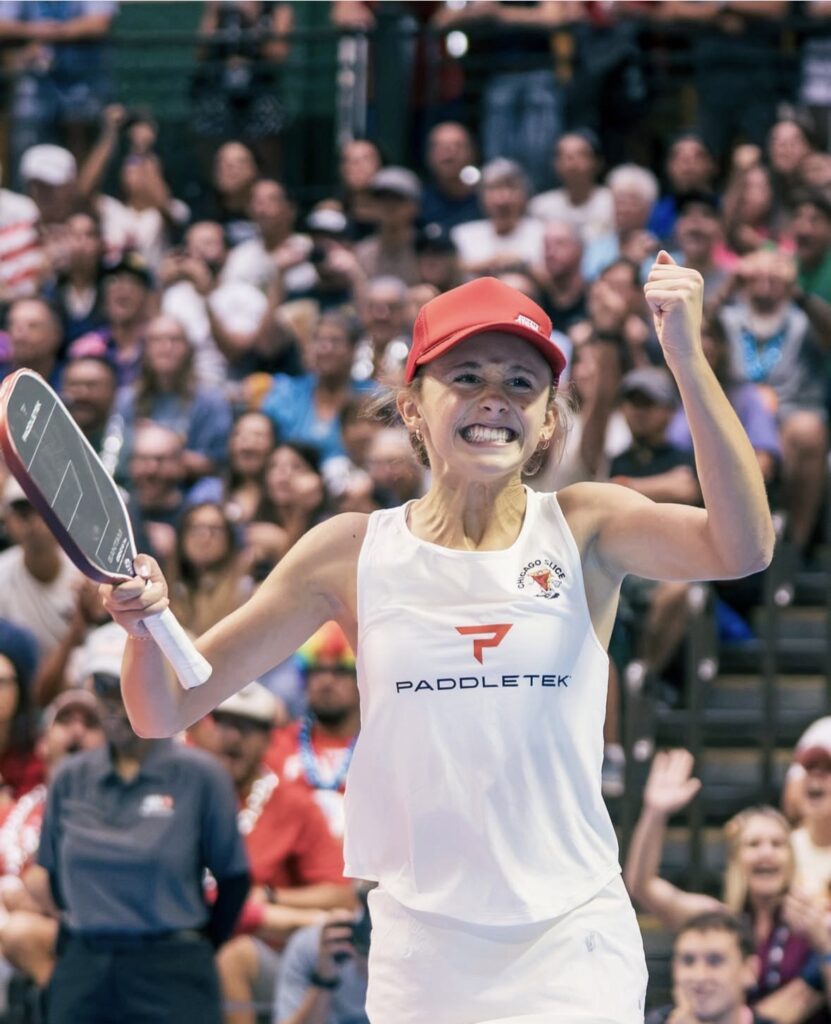
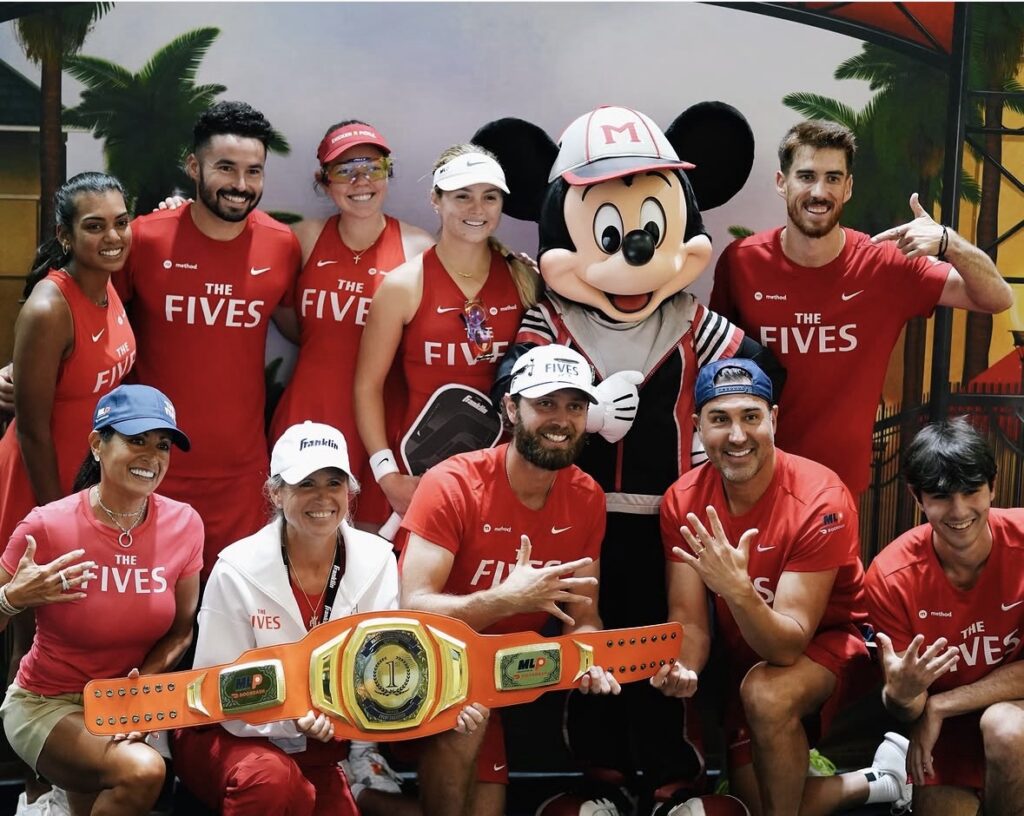
The MLP regular season finished off with a bang in Orlando. With playoff implications and top seeding on the line, the stakes, energy and venue were ramped up to max capacity. 2,500 seats sold out on the weekend, 13-year-old clutchness, net-cord dancing and best on best mixed led to rejuvenated vitality across the pickleball-sphere for Major League Pickleball.
MLP Orlando was one of the best showcases across the board, if not the best showcase, of what team-based pickleball has to offer a very saturated North American sports market.
Top notch pro play in a national time slot on FS1 supplemented with the thrust a lesser-known player into the spotlight magic that MLP is infamous for makes for great television. Naturally, pickleball fans get very excited when good things happen to the sport. As they should. However, it often seems that people are expecting that some magical moment will flip a switch in the consuming public’s brain to instantly launch pro pickleball into the mainstream, which is simply not going to be the case.
At the same time, this type of weekend in MLP Orlando is why we have ALWAYS banged the drum that MLP should be the featured product for the sport. It has been obvious to us since its inception that, for whatever reason, the structure of MLP creates a level of tension and excitement that is only seen rarely in other sports. When the product is good, it is freaking amazingly good.
There’s no need for us to write more about why we think MLP is greater than everything. You can find it in the archives, if you are so inclined. There are very few people who have loved MLP as much as we have over the years and have wanted it to succeed as badly as we have. You can prefer tour style pickleball as much as you want, but it never matches the high moments that MLP finds a way to bring each and every year.
Elsie Hendershot’s Dreambreaker finish was written for a Disney script at the ESPN Wide World of Sports venue. She follows a long line of unexpected contributors to the MLP scene over the years. The format organically creates storylines and high stakes moments for players like Elsie who would not otherwise have a chance at that spotlight in the tour.
People are rightfully jacked up for the upcoming 2026 playoff season. If the matchups in Orlando between the Mad Drops and Fives, and Fives and Shock were any indication, the playoffs will be electric.
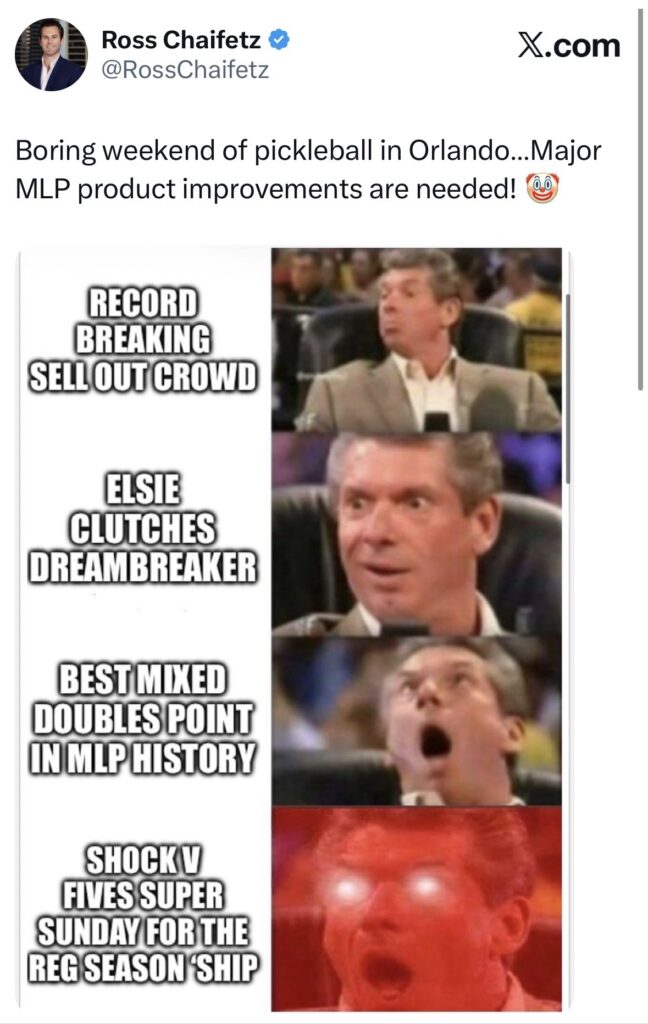
Contrary to the belief of Ross Chaifetz, that doesn’t mean that the product couldn’t use some tweaking.
Parity is an interesting term and it appears we are having all these discussions about whether parity is needed in MLP without establishing a basis for what it means in the first place.. The definition when you Google the word is that it means “the state of being equal, sharing the same value, or having identical status.” This may be where the disconnect in the discussion lies when fans talk about improving parity in the sport.
Parity in the context of pro sports, at least in our view, does not mean equality. Rather, to us, it means facilitating an environment that promotes competitive balance throughout the entire league. Competitive balance does not mean that you have a narrow gap in record between the best and worst teams in the league.
Conversely, parity does not necessarily just mean having different champions. The Columbus Sliders going on an all-time heater over a small playoff sample size does not mean that parity exists. The Dallas Flash somewhat surprisingly winning one event in the regular season does not mean that parity exists.
No one here is suggesting that true parity is the goal. That is unrealistic and ridiculous. The goal right now should be to create a structure for the league that allows pretenders to be somewhere in the same stratosphere as a contender in any given match. You can watch the Seattle Seahawks play the Cleveland Browns and not be certain of the final score or result. The same can’t be said for the Shock or the Fives against the Hogs.
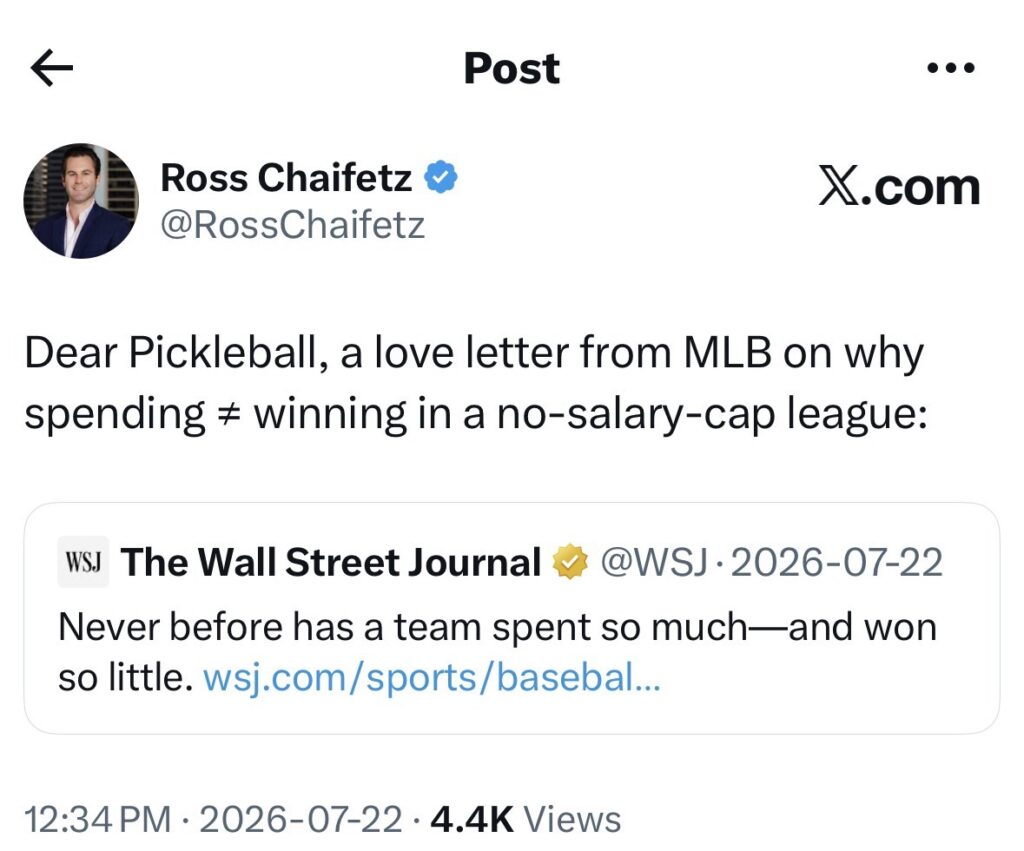
We understand why Ross is upset at a potential salary cap and salary floor. He and his Dad aren’t doing anything wrong by doing whatever it takes to win, even if winning doesn’t equal any ROI in the short-term. The Shock are playing by the rules the league created and have done it better than most teams for the past three seasons. Other teams could be much more competitive and choose not to be.
That is inherently the problem. Other ownership groups do not see the point of spending money and it makes for a league where the bottom 25% to 50% of the league is wholly uncompetitive with the top 25% of teams. It shouldn’t be a controversial take that, as a baseline, most of the teams in the league should theoretically have the ability to give the best teams in the league a run for their money on a given day.
It is fantastic for the league that there is continued year-over-year growth from a viewership, revenue and ticket sales standpoint. However, year-over-year growth in one of the fastest growing amateur participation sports in the world does not mean that the league should stop looking for ways to improve the product.
The answer to how to make the product the best it can be is not one that we as a duo are 100% aligned on either. The two of us sit in somewhat different camps in terms of how much the league should do to ensure the gap between the best and the worst isn’t so wide.
Where we do not disagree is that star players and marquee teams drive leagues and fan interest. You need teams like the St. Louis Shock and the New Jersey 5’s to really drive engagement, and you don’t want that to be gone from the league completely. Mr. Chaifetz is correct that when two NFL elites play each other, the national TV audience vastly exceeds when two NFL “dogs” play one another.
No one is arguing this point. The best players in national spotlight will be the best showcase of the product to grow the game. However, those matchups alone will not grow the game on their own.
The problem as we see it is that the current free for all structure allows for too much disparity between the invested and not invested ownership groups in the league and leads to far too many regular season snooze fest matchups. Right now, it is too easy for the Carolina Hogs and Florida Smash’s of the world to avoid spending money. The Miami Pickleball Club would probably be one of the friskier teams in MLP, but the environment allows for owners to prioritize money over competitiveness, so they haven’t been good the last two years.
If you want to point to MLB as a model for what is essentially an uncapped salary league, one major difference is that the sport succeeds because of the regional buy-in that allows them to make money in an extended 162-game season. Approximately 80% of the regular season consumption of the MLB product happens locally through things like local media rights and game-day spending. The national audience only tunes in when the playoffs come around.
And that’s where it feels MLP is at currently, except without the regional fan bases driving revenue during the regular season. The free spending environment means that talent is heavily concentrated amongst a handful of teams in the league, and the end of the season is all that matters.
The reason you want to achieve more competitive balance is because the true long-term goal of the product is fan investment in city-based teams. A system that only props up the best teams because a select few owners are willing to spend what it takes without a foundation for overall fan investment into each franchise could be a house of cards-esque foundation for the league.
The Chicago Slice and California Black Bears matchup was epic theatre because there were high stakes involved. The last spot in the playoffs for two on the rise teams. Outside of that, can anyone remember a matchup in the season that didn’t feature one of the top 5 teams that felt like it mattered?
That’s where we are coming from in this discussion. MLP has an incredible end of season product, but the lead-up leaves a lot to be desired.
Maybe there is nothing wrong with that. These are all subjective feelings with no objective data, as Ross Chaifetz will gladly point out.
Yet, it feels like this end of season/playoff focused product is not where things have to be for the sport. In the immortal words of Hannah Montana, we can have the best of both worlds. You can have a much better regular season product and still have the epic end of season/playoff showdowns that everyone who cares a lick about pro pickleball wants to tune into.
It should be wildly encouraging for MLP that we can have such an emotionally charged Orlando event and still have so many areas where the product can be improved upon. It is very hard to believe that some change to the structure and required ownership investment into the franchises will not make the overall product better.
MLP to the moon.
Agree or disagree? Let us know in the comments or email us at nmlpickleball@gmail.com! You can also follow us on Twitter, Instagram and Facebook @nmlpickleball