Is Pro Pickleball Heading for Burnout? Rethinking the Tour Style Model of UPA’s Current Structure
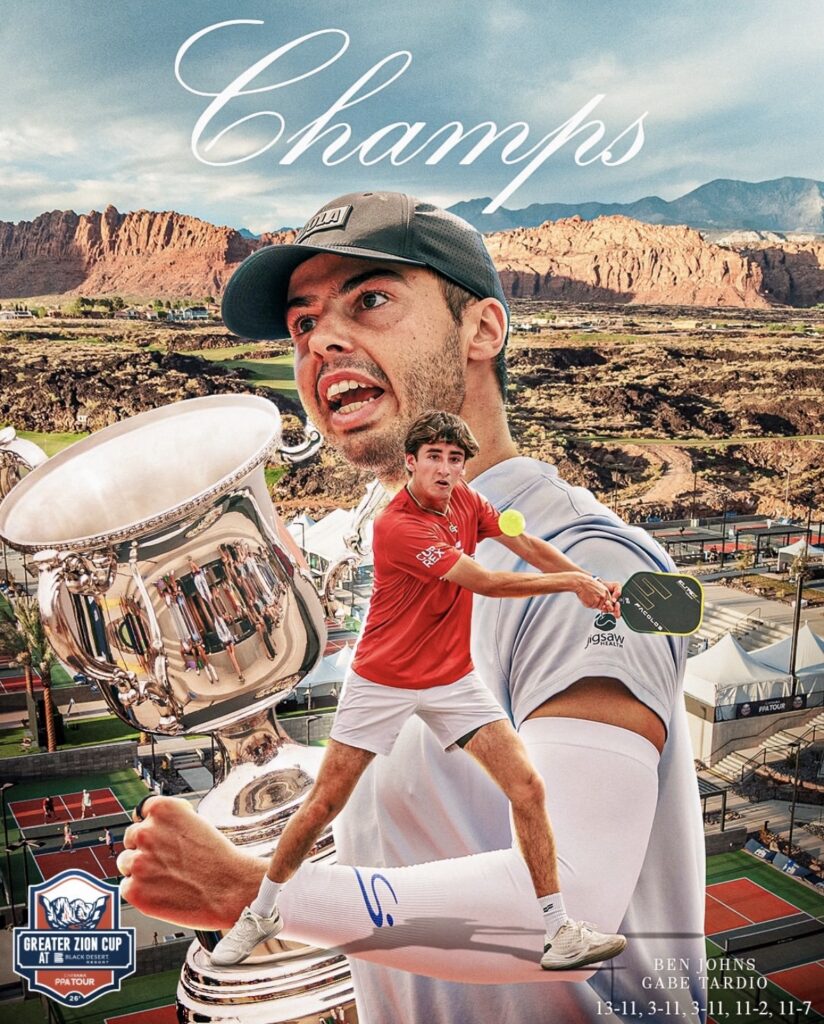
We’re officially past the quarter mark of the 2026 calendar year, and the pickleball season has been in full swing. We’re hot off the latest US PPA event in Utah and the recent PPA Asia stop in Vietnam.
There were plenty of storylines coming out of Utah. 670 days without a singles loss for Anna Leigh Waters. Anna Bright and ALW combined for their most dominant performance as a partnership all year. Gabe Tardio and Ben Johns continue to be a class above the rest in men’s doubles. Anna Leigh Waters and Ben Johns have a new “rival” of sorts, as Hayden Patriquin and Anna Bright have fully supplanted the Johnson siblings as the #2 team in mixed. Men’s singles remains less predictable, as Chris Haworth has overtaken the #1 men’s singles ranking.
Although there are somewhat differing storylines each week to varying degrees, there are consistent issues that inevitably crop up throughout the calendar year. Beyond the smaller standard storylines like line-calling disputes or the wind and whether pro pickleball should be exclusively played indoors (it should not), there is a greater existential question that rears its ugly head at some point in the pickleball sphere.
This may not be at the forefront of people’s minds right now, but there is a question of whether there is a better way to do this whole song and dance of pro pickleball.
Déjà vu.
We are posing this question at this time not just because we seem to have some of the same conversations every year about pro pickleball. It is because we may be too accepting of pro pickleball being structured the way it is — the same as every other individual sport in the history of professional sports.
As two guys who are not required to preview and recap every tournament for this blog, or every larger story in pro pickleball, it is sometimes an internal struggle as to whether the ongoing motivation to cover the sport, or lack thereof, stems more from the repetitive nature of the weekly tour grind or other external factors. Was pro pickleball more fun for us to cover during the chaotic rise of a new pro sport? A time marred by infighting, tour wars, and startup growth pains?
Conversely, now that the sport has somewhat settled (for now) into this PPA/MLP and everyone-else structure, is pro pickleball organized in such a way that will inevitably lead to burnout, loss of interest, or lack of interest from its most passionate fans?
As we consider all the relevant factors that impact our view of the pro sport, we keep coming back to the idea that the path pro pickleball is heading down is not conducive to long-term viewership growth and mass engagement from the general public.
The tour-style model that basically every individual sport features, from golf to tennis to padel, not only becomes monotonous from a viewer standpoint, but it also makes it hard to differentiate your product from the rest of the market.
Exhaustion and burnout among athletes might be the most consistent mainstream storyline that non-tennis diehards see about pro tennis on an annual basis. Put into a Google search some variation of “pro tennis” and “burnout,” and there are countless articles covering what appears to be a never-ending problem in professional tennis.
What these articles do not appear to cover is the viewership burnout and fatigue that feels inevitable with such an intense calendar schedule. The ATP Tour alone features approximately 60 to 70 official tournaments annually on its calendar — there are 16 ATP 500s and 9 ATP Masters 1000s, along with the four majors (29 “bigger” tournaments).
If the history of professional sports over the last century has taught us anything, it is that these tour-style models for individual sports do not result in mainstream viewership breakthroughs outside of their flagship, major events.
Interestingly, it has become clear that viewership fatigue has become more of a factor for more traditional, mainstream leagues. Discussions around shortening the season in the NBA and MLB are as prevalent as they ever have been. Even though there is a recognition that a shortened regular-season schedule would probably be better for the product overall, the financial benefits end up tipping the scales in favor of keeping things the way they are.
Therein lies the problem for professional sports and, of course, for professional pickleball. The more events or games that are hosted, the more money comes in the door. Revenue generation is primarily predicated on things like broadcasting fees, ticket sales, hospitality revenue, and sponsorship money for those events.
Pickleball is still very much working on consistent revenue generation from outside sources, which amplifies the need for the UPA to host more events, as the participation of amateurs and wannabe pros is one of its bigger, consistent sources of revenue right now. Pro pickleball is reliant on the desire and passion of amateurs to compete at their events alongside the pros. Less events equals less cash.
The recent announcement by the PPA of the “Veolia Pickleball National Championships” from August 31 to September 6, 2026, is another example of the PPA attempting to capitalize on amateur demand for bigger and better events. The PPA already established its “Worlds” event as a direct competitor to the US Open and USA Pickleball’s Nationals events, and it appears they are trying to do their own nationals style event as well, describing it as having “even more fun for the entire family, including live music concerts, sponsor activations, renowned food and fare, pro-led pickleball camps and clinics, plus much more!”
From our point of view, there is an oversaturation of content right now in pro pickleball more than ever before. The shift to full progressive draws has been met with mostly positive responses, but a significant negative repercussion of the move to a more structured daily format is that there are many more days of pickleball content than ever before.
More days of pickleball content means fewer days without it. Duh.
We’re literally turning around from Sundays of tournament play to qualifiers on Monday and real matches being played on Tuesday. Even if they are early-round matchups and people can choose whether or not they want to tune in, it is a far cry from the days of only having tournaments run from Friday to Sunday, or Thursday to Sunday.
There is no question that the tours wouldn’t be able to operate effectively with more product scarcity, but the gluttonous amount of pickleball content available is creating a demand-exceeding-supply situation. What incentive is there for us to tune in for hours of the PPA Greater Zion Cup when we are seeing many of the same partners competing against many of the same opponents for the third time in a month?
This is why golf, tennis, and other individual sports do not garner mainstream viewership, and why the majors in those sports are so compelling. It is a slog to tune in to every iteration of the ATP Miami Open or the PGA Valero Texas Open.
Leaving aside the weirdness of having the PPA “season” conclude part way through the calendar year, without any substantial break in the calendar year or differentiation between tour events, pro pickleball is simply a less popular version of these other sports that most people already don’t care about on a weekly basis.
So, what can be done?
There is likely little that can or will be done in the short term, primarily because of the need to stage events to ensure consistent revenue generation. However, pickleball is in a unique position in that there are realistic options available down the line, if the UPA wants to make a switch.
We already alluded to the idea of a longer offseason above. This would seem to be one of the more straightforward solutions. Tennis has the same issue where no offseason means no product scarcity, which means no time to get away from the product for the fan.
How many people do you know that say they only tune in to the MLB playoffs? 162 games is too much to handle for most people. The NFL is testing the limits of its biggest built-in product scarcity advantage as it continues to expand its season and the number of games played throughout the week.
Would it be possible for the UPA to create a North American and an overseas season?
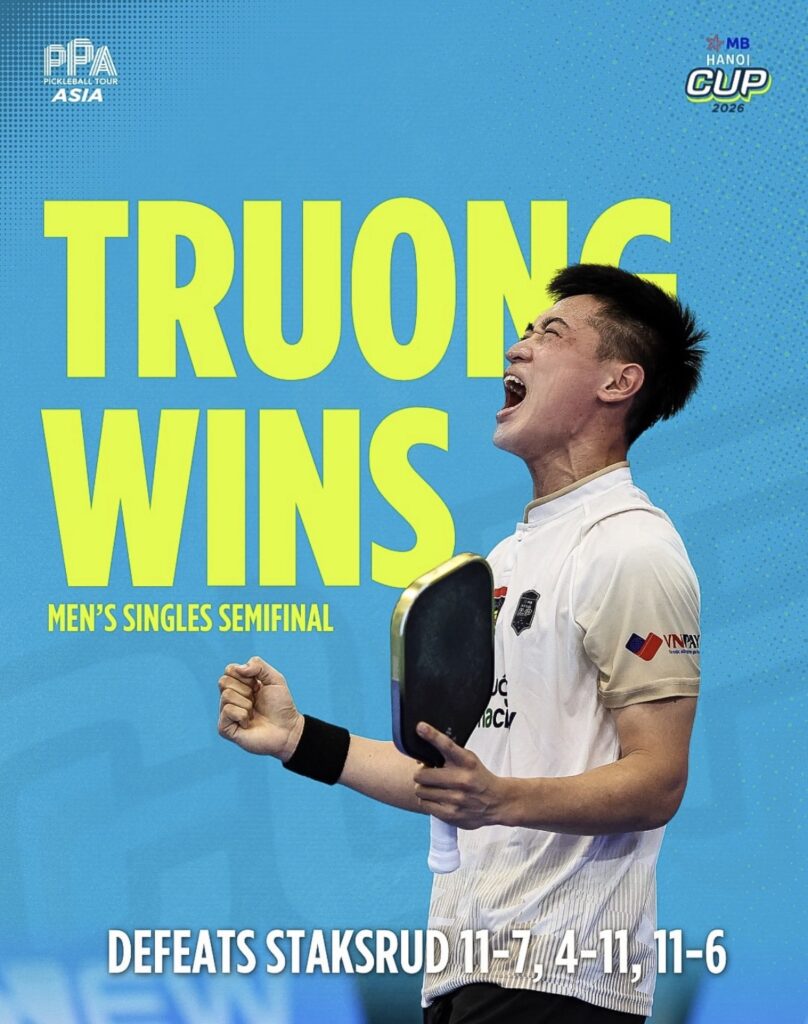
Tournaments that aren’t as well attended by the top pros have had the effect over the years of breaking up the monotony of standard tour play, with partnership shake-ups and lesser-known names being thrust into the spotlight. We found ourselves very interested in the earlier rounds of the latest PPA Asia event in Vietnam because of how competitive many of the matches were between U.S.-based and non-U.S.-based players.
Instead of having players travel to Asia during the regular tournament swing, could the UPA have the overseas events occur as one distinct part of the calendar year? This could have the effect of making the North American portion of the season more meaningful rather than having identical events scattered throughout the calendar year.
In our 2025 Winners and Losers column, we wrote that the new schedule for pro pickleball, with the MLP season being sandwiched between the PPA Tour, a was a winner for the year. After three months of the season, we are rethinking that declaration. While we had been fully on board with the UPA’s schedule change to provide consistency and clarity to fans, the positive trickle-down effects of intertwining the tour and team aspects of the UPA are mostly gone.
A notable benefit of having MLP events interspersed throughout the calendar year was that it fueled conversation year-round, instead of only at the draft and during the few months MLP is being played during the summer. Tour events had additional meaning because they factored into our view of how performance might translate into MLP results and trade discussions, both good and bad.
In addition, it provided a baseline reset to compare PPA and MLP results. We aren’t necessarily sure if that is the best thing for the long-term growth of either aspect of the pro sport, but the split of MLP and PPA events also helped break up the predictability of the week-in, week-out grind.
We’ll be curious to see if we notice the same trend with the MLP season this year as we did last year, which is that the MLP regular season began to feel similarly repetitive as the season wore on once the baseline performance level of teams had been established. This is not a unique regular-season issue that MLP deals with compared to other professional sports. However, the UPA has two products at its disposal that it can utilize to avoid the regular season becoming tedious and tiresome.
Ultimately, the concern we have is that pickleball is leaning harder into the repetitive nature that already exists in the sport, which feels contrary to what is necessary for pickleball to differentiate itself as a product for sports viewers. That’s not to say that decisions made for the sport to go in this direction have necessarily been wrong, as hosting more events are crucial for sustainability. At the same time, we can’t avoid noticing this as a trend in the second year of this consistent, more repetitive schedule.
What we may have missed when calling the new schedule a winner after 2025 is that the structure clashed with our core belief of what is needed to make pro pickleball more than a niche success. That is, doing what everyone else is already doing is not optimal for maximizing the ceiling of any product — sports or otherwise.
So, to be clear, the current path that pro pickleball is on is probably the path that involves the lowest chance of failure. The model is a proven moneymaker across a range of individual sports, and pickleball has supplemented it with one of the more electric team-sport products in Major League Pickleball.
Our opinions are always subject to change, but we fundamentally believe that something should change in pro pickleball’s structure to create a product that is more impactful in the professional sports marketplace. Whether it is extending the offseason, separating global seasons within the calendar year, re-amalgamating the PPA Tour and MLP, or all of the above, we would love to see a different path to best promote sustainable fan engagement.
Even if the tour in its current form is the safer path to ensure the pro side of the sport doesn’t fail, does that mean it is the better path to take?
That’s a big TBD.
Agree or disagree? Let us know in the comments or email us at nmlpickleball@gmail.com! You can also follow us on Twitter, Instagram and Facebook @nmlpickleball


I stopped watching PB tournaments a year ago because…watching Anna Leigh win every single time got very old. Good for her but for those of us who like to see some healthy competition in sports, it just isn’t there in PB.
The lack of difference between events seems like a big contributor to this
I just got done playing 2 hours of really fun pickleball with friends on our local courts. While I am absolutely addicted and in love with the sport, I could care less about tournaments and professionals or watching it on TV. Their is a fundamental misunderstanding by the folks at BIG pickleball. They have alienated many of us with their sub-par amateur tournament playing experience and money grabbing business structure. Many of us would much rather watch our 5.0’s play here than pay to watch 6.0’s. just saying…
We are about to both play the amatuer events in Sacramento and have never both done one together so we’re curious what it looks like and the experience